
B2B Email Marketing: How to Write Emails That Actually Generate Leads

Your inbox is crowded. Your buyer’s inbox is worse.
Most B2B emails are still long, vague, and strangely allergic to saying what they actually want: a meeting, a demo, or a simple “yes, this is relevant.”
This guide is about B2B email marketing that creates pipeline. Not pretty broadcasts that nobody reads. Not “keep in touch” fluff. Emails that turn anonymous visitors and cold contacts into qualified leads and booked calls.
We will cover:
What B2B email marketing actually means in 2025
How it differs from B2C
How to write emails that get replies
Campaign types that generate meetings, not just clicks
Where tools like Lemlist, Pipedrive, and LearnWorlds fit
A 30 day plan to improve what you already send
Along the way, we will link out to related Ground Leads guides on outbound sales, distribution channels, cold calling, and more, so your email motion does not sit in a vacuum.
What is B2B email marketing?
B2B email marketing is the practice of sending targeted emails from one business to professional contacts at another business in order to generate and nurture leads, move deals through longer buying cycles, and keep customers engaged over time.
Instead of trying to push a quick checkout, B2B email focuses on:
Educating buyers about a solution
Showing clear outcomes and proof
Turning interest into marketing qualified leads (MQLs) and sales conversations
Email remains one of the highest performing channels for this job. Recent studies put average ROI from email marketing at around $42 to $57 per 1 dollar spent, with some reports quoting roughly 3,500 percent returns when campaigns are set up well.
So the channel still works. Most problems come from what gets sent.
If you want more context on how email fits into the bigger picture, our post on Top Distribution Channels for B2B Marketing in 2025 breaks down where email sits alongside search, social, and outbound.
Affiliate Disclaimer: This article may contain affiliate links to the mentioned products or services, for which - through no additional cost to you, we may be compensated. For more information on our affiliate policy, check our Disclaimer page.
B2B vs B2C email: different job, different structure
More people, more friction, fewer impulse clicks
In B2C, email often nudges people toward one small decision: buy today, claim a discount, sign up for a one person subscription.
In B2B, your email usually speaks into a small committee:
The person with the problem
Their manager
Someone who guards budget
Sometimes security or procurement
That means your email has to:
Make sense to different roles
Support a larger decision, not just a one click checkout
Help move a buyer from “interesting” to “worth a proper meeting”
B2B cycles are longer and more complex. Your email has a smaller, but very clear job inside that process.
For a bigger look at how those cycles work, see our guide on Inbound vs Outbound Sales: Which Model Wins in 2025.
What actually changes in your email copy
Compared to B2C, B2B email usually needs:
More context – what business problem you solve and for whom
More proof – numbers, short case stories, or reference brands
Stronger calls to action – “see 3 examples” or “book a 15 minute review” instead of “browse our store”
The voice can still be conversational. You just write for people who live inside calendars, KPIs, and internal decks.
Our post on What Does a Lead Generation Specialist Do goes deeper into who typically owns this channel inside a B2B team.
Get the foundations right before you write
Smart copy cannot save a broken list or a messy system. Before we talk subject lines and openers, set up the basics.
1. Clear ICP, clean list, and real consent
Email works best when it hits the right people.
Define your ideal customer profile (ICP) by company size, industry, and problem set.
Build lists from opt in forms, webinars, and content downloads for marketing emails.
Stay within local rules like GDPR and CAN SPAM for both marketing and cold outreach. That means clear identification, a simple way to opt out, and some form of legitimate interest where required.
Our article on Local Lead Generation and the guide on Lead Generation Companies for Small Businesses show practical ways to feed a healthy email list.
2. Segment for context, not vanity
You do not need twenty segments. You do need a few meaningful ones.
For example:
New subscribers vs long time readers
ICP fits vs “nice but not ideal”
Lifecycle stages: new lead, MQL, open opportunity, customer, lapsed customer
Segmenting this way changes what you send:
New subscriber → welcome and quick win
ICP lead → problem and proof
Open opportunity → obstacles and next step
Customer → success tips and expansion ideas
Our Outbound Sales in 2025 Playbook shows how similar thinking applies to outbound micro segments too.
3. Set up a simple system: ESP + CRM + sales engagement
You do not want email lists living in spreadsheets.
At minimum you need:
Email service provider (ESP) or marketing platform to send campaigns and automations
CRM where contacts and deals live
Sales engagement tool if you are doing outbound sequences
For many small and mid size B2B teams, a stack like this works well:
A marketing platform for newsletters and nurture flows
Pipedrive as your CRM
Lemlist for outbound email sequences
Lemlist is a sales engagement platform that lets you send personalized, multichannel outreach at scale without losing the personal feel.
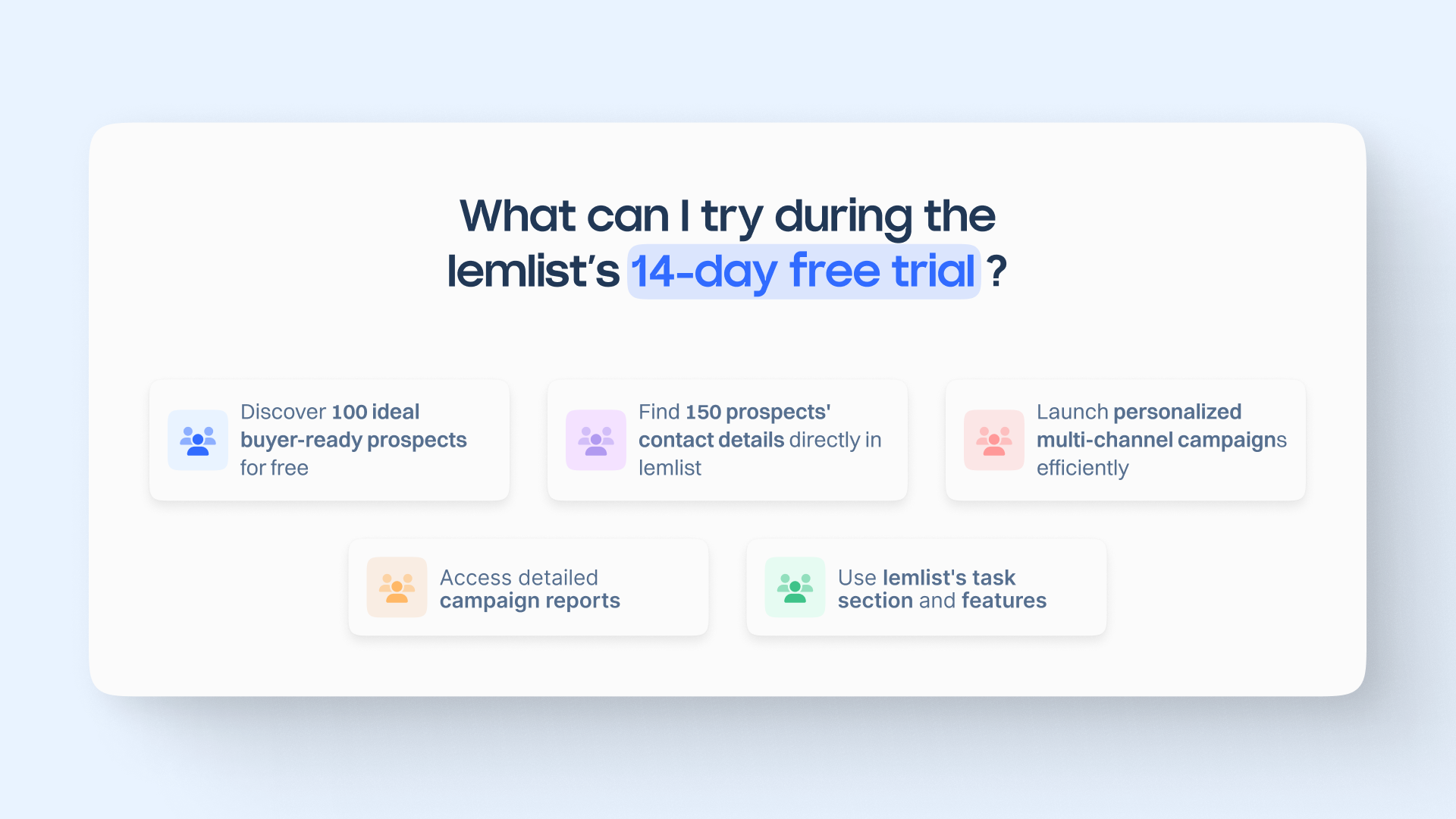
Use Lemlist to turn strong content into targeted outbound wins
Lemlist fits the outbound lane when you want short sequences, thoughtful personalization, and a clean path from interest to a booked call.
- Link your best BOFU pages and comparisons directly inside outreach.
- Keep messaging tight and audience-specific without spending hours per lead.
- Track replies and intent so your team knows who is ready for a real conversation.
Pipedrive is a simple, visual CRM that helps you track deals, activities, and next steps in one place and is widely recommended for small businesses.
We will show where both fit into your day to day email work a bit later.

Pipedrive pairs nicely with a multi-channel distribution plan
You can run the best distribution mix in the world, but if leads land in a messy pipeline, momentum slows. Pipedrive is a strong fit for small and growing B2B teams that want clear stages, simple activity tracking, and fast follow-up.
- Set up pipelines that match your real buying stages without a long admin project.
- Keep inbound and outbound leads in one place with clear ownership and reminders.
- Get a sharper weekly view of what is moving and what needs a nudge.
How to write B2B emails that actually get replies
Now to the core question: how do you write emails that turn into leads, not silent opens.
Step 1 – Give each email a single job
Before you write a single line, answer this:
What should happen if this email works?
Possible answers:
“The reader clicks to book a 15 minute demo.”
“The reader hits reply and answers one qualification question.”
“The reader signs up for a short mini course.”
Once you know the job, remove anything that does not serve it. Many B2B emails try to educate, nurture brand love, and schedule a meeting at the same time. That usually leads to weak results.
If you want inspiration on clear, outcome led outreach, check our Outbound Sales in 2025 Playbook.
Step 2 – Better subject lines without clickbait
Subject lines carry more weight in B2B than most people think. Short, specific, and grounded in value tends to win. Best practice guides suggest around 40 characters or five to seven words is a good target for many audiences.
Examples that work well for B2B:
“Cut onboarding time for new reps at {{Company}}”
“Benchmark for {{Industry}} teams like yours”
“Quick idea to reduce handoffs for {{team}}”
Patterns to avoid: vague monthly updates and self centered lines like “Our July newsletter” or “Company X product news.”
Step 3 – Nail the first two lines
In most inboxes, the first two lines show up right next to the subject. They decide whether anybody scrolls.
Those lines should:
Prove you are not spraying a generic list
Tie directly into a real problem or goal
Promise a clear outcome or idea
For example:
“I work with sales teams in {{industry}} that have strong inbound traffic but too few booked calls. Two simple changes to their email follow up usually add 3 to 5 extra meetings per week.”
Short, relevant, and straight to the point.
If you want to sharpen your openers beyond email, our guide on How to Do B2B Cold Calling the Right Way breaks down similar patterns for calls.
Step 4 – Keep the body easy to scan on mobile
Most B2B buyers will see your email on a phone first. Long walls of text die there.
Keep things simple:
Short paragraphs, often one to three lines
Occasional bold phrases for key proof points
One clear link or calendar button, not four competing options
Structurally, a solid B2B email body usually looks like this:
Opener that shows relevance
Short description of the problem
One clear benefit or outcome
Proof or example
One call to action
Step 5 – CTAs that move pipeline, not just clicks
B2B calls to action should reflect real buying steps:
“See 3 short examples from teams like yours.”
“Pick a time for a 15 minute pipeline review.”
“Join our 5 lesson email course on {{problem}}.”
You can mix content and sales CTAs over a sequence, but each email should still ask for one thing.
If you need more CTA ideas, our guide on Top Distribution Channels for B2B Marketing shows how different channels can all point to a single calendar first path.
Where LearnWorlds fits
If you have deep expertise, consider turning part of it into a short course and promote it through email.
Platforms like LearnWorlds let you create and host online training and mini courses that work well as high intent lead magnets or onboarding material.
You can send leads from email into a LearnWorlds mini course on a key topic, qualify them based on progress and engagement, then have sales reach out to those who finish.
Simple B2B email that leads to a meeting
Campaign types that actually create leads
You do not need a hundred flows. You do need a few reliable campaign types that move people forward.
1. Newsletter that supports sales, not just brand
A practical B2B newsletter in 2025:
Focuses on one main topic
Shares one clear idea or example
Points to one next step for those who want more
You can reuse content from your blog and outbound motion.
For example:
Turn a section from Top Distribution Channels for B2B Marketing into a short story about one company’s mix
Link to a deeper piece like Inbound vs Outbound Sales for readers who want context
End with a simple “Would you like us to review your current mix on a quick call?” CTA
2. Nurture sequences for inbound sign ups
A simple four email welcome or nurture series might look like this:
Welcome + quick win
Set expectations and share one practical tip or resource.
Problem and case story
Show you understand their situation and give one short before and after.
Comparison and myth busting
Address typical objections or misunderstandings.
Direct invite
Offer a short call or link to a mini course.
You can host that mini course on LearnWorlds and track who completes it. Their documentation shows how to build course funnels, offer free learning material as a lead magnet, and connect email grabber forms.
3. Outbound and sales sequences that still feel personal
Cold and warm outbound emails are still one of the fastest ways to build pipeline. They just need more care than “spray and pray.”
Effective B2B outbound sequences usually:
Keep each email under 90 words
Use 3–5 touches with different angles
Mix email with LinkedIn and light call follow ups
Always provide a simple path to a calendar, not just a vague “let us know”
This is where Lemlist shines. Lemlist lets you build multi step sequences across email, LinkedIn, and calls, add image or landing page personalization, and protect deliverability with features like Lemwarm.
If you want to see how we use Lemlist across time zones and campaigns, our Lemlist Review 2025 breaks that down.
Outbound email and calling also connect neatly with these guides:
4. Customer and expansion campaigns
Do not forget customers. Email is great for:
Onboarding sequences
Health check invites
Renewal reminders and expansion offers
Short educational campaigns around product usage can also live inside LearnWorlds, then be promoted via email.
Our post on Outsourced Sales Development shows how some teams even use external partners to run parts of this motion.
Tools and stack: Lemlist, Pipedrive, LearnWorlds in context
Let us put the three affiliate tools in one clear picture.
Lemlist – sales engagement for outbound and warm sequences
Lemlist is built for teams that want to send personalized email and multichannel outreach at scale while keeping reply rates and inbox health high.
Use it for:
Cold outbound sequences to high fit accounts
Warm follow up to people who download content or attend webinars
Multichannel cadences that mix email, LinkedIn actions, and call tasks
Use Lemlist to turn strong content into targeted outbound wins
Lemlist fits the outbound lane when you want short sequences, thoughtful personalization, and a clean path from interest to a booked call.
- Link your best BOFU pages and comparisons directly inside outreach.
- Keep messaging tight and audience-specific without spending hours per lead.
- Track replies and intent so your team knows who is ready for a real conversation.
Pipedrive – where email sourced leads and deals live
Pipedrive is a sales CRM with a simple visual pipeline that makes it easier to track deals and activities. Review sites and the vendor itself highlight its fit for small and mid sized businesses that want a clean view of sales without a heavy setup.
Use it for:
Storing all contacts who subscribe, click, or reply
Tracking deals that start from email campaigns
Reporting on meetings booked and revenue by source
Our recent CRM comparison, HubSpot vs Salesforce, can help you place Pipedrive in the broader CRM market.
LearnWorlds – turning expertise into lead generating courses
LearnWorlds is an AI powered learning platform that helps you create, host, and sell online courses and academies.
Use it with email to:
Offer short free courses as lead magnets
Build onboarding academies that reduce support load
Create partner or customer training that you promote by email
Metrics that matter for B2B email
Dashboards can get noisy. Let us keep it simple.
Key email metrics for B2B marketers:
Delivery and bounce rate – show list quality and technical setup
Open rate – hints at subject line and sender name effectiveness
Click and reply rate – show whether the body and offer land
Meetings booked and deals opened – the numbers leadership cares about
If you track those weekly by segment and campaign type, you will see where to focus.
How to debug underperforming emails
Patterns to look for:
Low opens
Check sender domain setup (SPF, DKIM, DMARC) and list hygiene.
Improve subject line clarity and relevance.
Decent opens, low clicks or replies
Simplify the body and sharpen the offer.
Add clearer proof, such as short results from your best customers.
Plenty of clicks, few meetings
If you want more on connecting email with calling and follow up, see:
If this metric looks bad, start here
A simple 30 day plan to level up B2B email
You do not have to rebuild everything. Work in short weekly sprints.
Week 1 – Audit and simplify
Pull a list of your key email types: newsletters, nurture, outbound, customer
Map each to one funnel stage: capture, nurture, convert, expand
Remove or pause anything that has no clear job
Clean your list as well. That means removing hard bounces, honoring unsubscribes, and trimming contacts who have not engaged in a long time.
Week 2 – Rewrite the high impact emails
Pick five emails:
2 outbound templates
2 nurture emails
1 newsletter
Rewrite them using the skeleton above. Make sure:
Each has one clear job
Each has one primary CTA
Proof is specific, not fluffy
For examples of short, offer led messaging, the Outbound Sales Playbook and Cold Calling guide are useful.
Week 3 – Light testing and tooling
Start with small A/B tests on subject lines and CTAs for a subset of your list
Make sure your ESP, Pipedrive, and Lemlist share data cleanly
Route positive replies or high intent clicks into Pipedrive deals or tasks
If you do not have an outbound tool yet, this is a good time to trial Lemlist with a few small sequences and compare reply rates. Our Lemlist Review 2025 walks through setup ideas.
Week 4 – Report and decide what to scale
Create a one page weekly email report that covers:
Emails sent
Open, click, and reply rate
Meetings booked
Opportunities created
Bring that into your regular alignment meeting. The thinking from our Inbound vs Outbound Sales article applies here: one shared view across marketing and sales, one shared calendar, one shared definition of what “good” looks like.
When you see what works, create a simple playbook so the whole team can reuse the best patterns.
If you want support setting this up without adding headcount, our post on Outsourced Sales Development explains when bringing in a partner like Ground Leads makes sense.
FAQ – B2B email marketing questions people actually ask
What is B2B email marketing?
B2B email marketing is the practice of sending targeted emails from one business to professional contacts at another business in order to generate and nurture leads, support long buying cycles, and help sales teams open and close deals. Emails often educate buyers, share proof, and invite them to next steps such as demos, trials, or short calls.
How often should you send B2B marketing emails?
There is no perfect number, but here are useful ranges drawn from current best practice guides and platform data:
Newsletter: weekly or every two weeks
Nurture sequences: 1 to 2 emails per week while the sequence runs
Outbound sequences: 3 to 5 touches over 10 to 21 days
Customer campaigns: monthly for value content, plus timely triggers near renewals
The key is consistency and relevance, not volume for its own sake.
What is a good open rate and reply rate for B2B email?
Benchmarks vary by industry, list source, and type of email, but common ranges from recent studies look roughly like this:
B2B marketing emails:
Open rate: often 20 to 30 percent or more for well targeted lists
Click rate: commonly in the 2 to 5 percent range
B2B outbound emails:
Open rate: 40 percent or higher for clean, focused lists
Reply rate: 5 to 15 percent is often considered solid
Your own baseline matters more than averages. Track improvements over time.
Does cold email still work for B2B in 2025?
Yes, cold email can still work for B2B, as long as you respect consent rules, use clean data, send relevant offers, and protect deliverability. Guides from email platforms and outbound experts show that targeted sequences with clear value and good timing still bring meetings to the calendar.
If you want to make this part of your motion, combine:
Which tools are best for B2B email marketing?
You usually need:
An email platform or marketing automation tool
A CRM
A sales engagement tool for outbound
Optional: a learning platform for course based lead magnets
For the tools mentioned in this guide:
Lemlist – strong for multichannel outbound, personalization, and deliverability support
Pipedrive – clear and approachable CRM for small and mid size teams that want a visual pipeline
LearnWorlds – flexible platform for courses and academies that pair nicely with email promotion
How do I keep my B2B emails out of spam?
Key steps for better deliverability:
Set up SPF, DKIM, and DMARC correctly
Warm new sending domains gradually
Avoid spammy phrases and overuse of links and images
Keep lists clean and honor unsubscribes quickly
Send to engaged segments rather than blasting everyone
Our Best Sales Prospecting Tools and Outbound Dialing Software guides also touch on how email, calling, and data hygiene fit together when you scale.
If you want email marketing that actually turns into held meetings, treat it like one part of a single system.
Solid content and clean messaging at the top. Clear funnels and calendars in the middle. A CRM, a sales engagement tool, and a course platform that all work together. And if you prefer to skip the heavy lifting, Ground Leads can run the outbound side for you while you focus on closing.



Inbound got you to $1-3M ARR. It won't get you to $10M. Here's the brutal playbook for hunting enterprise deals without hiring SDRs or burning six months.