
Top Distribution Channels for B2B Marketing in 2026 (and How to Use Them)

If your team is publishing more than ever but pipeline still feels moody, the issue is rarely content quality. It is usually distribution. In 2026, great B2B marketing is less about making one big asset and more about building a repeatable path that gets the right ideas in front of the right buyers at the right moment.
This guide breaks down the top distribution channels for B2B marketing in 2026, how they work together, and how to choose a mix that fits your motion, budget, and team size. The goal is not channel collecting. The goal is more booked conversations, higher show rates, and a cleaner path from interest to revenue.
Affiliate Disclaimer: This article may contain affiliate links to the mentioned products or services, for which - through no additional cost to you, we may be compensated. For more information on our affiliate policy, check our Disclaimer page.
What we mean by “distribution channels for B2B marketing”
Distribution channels for B2B marketing are the places and mechanisms that carry your message to buyers and move them toward a next step, such as a demo, trial, or sales call.
In practice, you will see three classic groups:
Owned channels you control.
Earned channels you win through credibility and relationships.
Paid channels you rent for reach.
In 2025, that model needs one extension. Many of the most effective growth programs blend marketing distribution with sales distribution, meaning you also decide how you will sell and co-sell. Direct outbound, partner routes, and marketplaces are now part of the same planning conversation. The line between “marketing channel” and “sales channel” is thinner than it used to be.
What changed in 2026 and why it matters
Three shifts are shaping channel strategy right now.
AI search is changing first-touch discovery
Buyers still read blogs and watch webinars. They also ask AI tools for shortlists, comparisons, and recommendations. This means your distribution plan must cover:
A strong owned base with clear category pages.
Comparison and pricing content that is easy to interpret.
Proof assets that AI tools and executives can cite.
You do not need to chase every new platform. You do need crisp positioning and content that answers high-intent questions.
Buyers want more self-serve
Across B2B categories, the appetite for online research and purchasing keeps rising. A 2025 buyer report from Sana Commerce found that 73% of B2B buyers prefer to buy online.
Even if your deals are high-touch, your early-stage experience must feel easy, fast, and confident.
Events and live formats are still pulling weight
Despite the digital-first story, in-person events and webinars remain top performers for many teams. Content Marketing Institute’s research for 2024 showed marketers most often citing in-person events (56%) and webinars (51%) as channels producing the best results, followed by email and organic social.
That pattern helps explain why 2026 budgets are often swinging back toward hybrid programs.
The top owned distribution channels in 2025
Owned channels are your compounding assets. They take time, but they also keep delivering long after a campaign ends.
Your website, blog, and BOFU pages
Think of your site as your primary distribution engine, not a brand brochure.
What wins in 2026:
A pillar page that targets your core category and links to supporting posts.
Comparison pages that answer “you vs X” with clarity.
A pricing page that offers real ranges and next steps.
Case studies that highlight the problem, approach, and outcome with a direct call to action.
If you want a blueprint for linking inbound and outbound to the same booking path, your team may like our guide on inbound vs outbound sales.
Email newsletters and nurture
Email remains one of the most reliable ways to keep your message in motion after the first click. The winners here are not the longest sequences. They are the clearest ones.
A good 2025 email plan includes:
A short weekly or biweekly newsletter.
A role-based nurture track that mirrors your buyer stages.
A “reply-first” approach for high-intent segments.
When email is also part of your outbound motion, tools matter. If you are weighing platforms, this is a practical side read: Lemlist review.
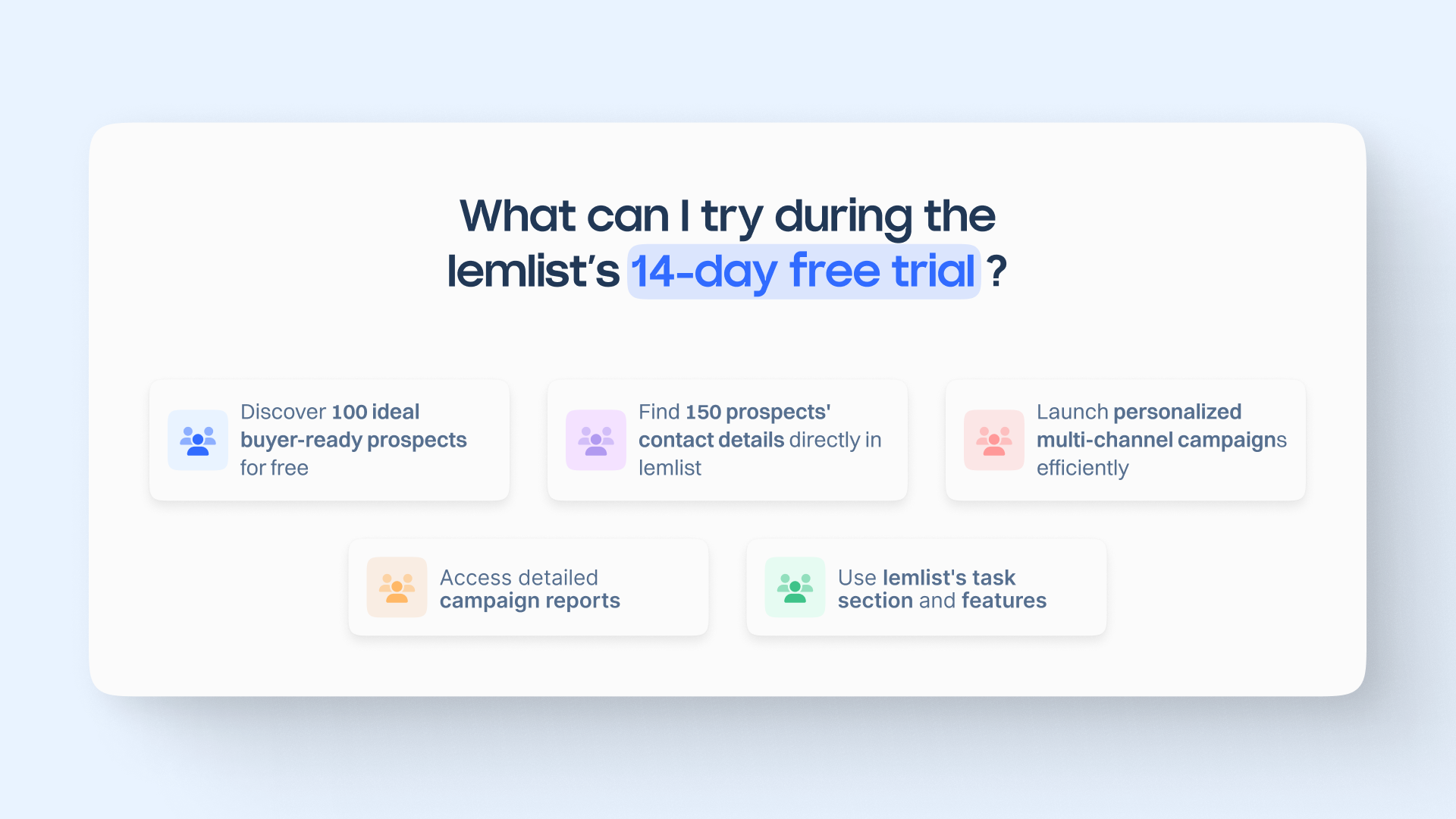
Use Lemlist to turn strong content into targeted outbound wins
This article is about picking channels that move pipeline. Lemlist fits the outbound lane when you want short sequences, thoughtful personalization, and a clean path from interest to a booked call.
- Link your best BOFU pages and comparisons directly inside outreach.
- Keep messaging tight and audience-specific without spending hours per lead.
- Track replies and intent so your team knows who is ready for a real conversation.
Webinars and virtual events
Webinars still do a strong job in mid-funnel education and late-funnel reassurance. They work even better when you avoid the “one-off panel” trap.
Use a simple system:
One flagship topic per quarter.
A tight follow-up path that includes the recording, a short summary, and a booking link.
A repurposing plan that turns the webinar into short clips, blog sections, and sales enablement notes.
Podcasts and long-form video
Podcasts remain a steady brand-builder for complex categories. Video is also more central in search and social than it was two years ago.
The key is to treat these as a distribution format for existing thinking. Start with one strong narrative, then split it into smaller pieces for different channels. You will get more mileage and less burnout.
If these four pieces are weak, most other channels will feel expensive or random.
- Category clarity: one primary page that explains who you help, what you solve, and why buyers should trust you.
- Comparison pages: honest “you vs X” content that reduces hesitation before a call.
- Pricing ranges: a page that sets expectations and filters poor-fit leads early.
- Email hook: a simple newsletter or resource list that keeps first-touch buyers warm.
The top earned distribution channels in 2026
Earned channels are where your credibility compounds. They are also where many B2B brands find their sharpest differentiation.
Guest content and industry publications
Guest posts still matter for authority and referral traffic. The smarter 2025 move is to pitch topic angles that fill gaps in the host’s library and connect to a clear bottom-of-funnel page on your site.
A simple way to keep this sustainable:
One high-quality guest piece per month.
One co-marketed asset per quarter.
A formal internal owner who tracks outcomes.
Partnerships and co-marketing
Partner distribution is often the fastest way to earn trust in a new vertical. It also works well for smaller teams who cannot afford wide paid coverage.
Good 2026 co-marketing looks like:
Joint webinars that target a shared ICP.
Shared case studies.
Referral pathways with clear rules.
If you are building a multi-lane pipeline, pairing partner pushes with a respectful outbound motion can speed results. Our outbound sales playbook shows how to keep that approach focused and buyer-first.
Community mentions and dark social
Most teams undercount where buying conversations actually happen. Slack groups, closed LinkedIn circles, private newsletters, and peer referrals are powerful earned channels. You cannot fully track them, but you can influence them by:
Producing useful POV content that people want to forward.
Training execs and reps to share insights without heavy pitching.
Showing up consistently in niche communities.
The top paid distribution channels in 2026
Paid channels work best when they amplify a strong owned base. Without that, they can become a very expensive way to learn what your website should have answered.
Paid search
High-intent search ads remain a strong lever for demand capture. The best results usually come from tight keyword clusters tied to:
Category intent
Competitor comparisons
“Best X for Y” queries
Pair these with landing pages that are calm, specific, and short on fluff.
LinkedIn paid and social ads
LinkedIn remains the primary platform for professional targeting. Even if your team is more outbound-led, small paid experiments can support brand familiarity before your SDRs ever reach out.
For a practical way to decide if a LinkedIn specialist partner is worth it, see how to choose a LinkedIn lead generation agency.
Retargeting
Retargeting is not glamorous. It is a quiet show-rate helper.
Use it to:
Reinforce core proof points.
Push viewers back to comparisons or case studies.
Support webinar registration or trial activation.
Sales distribution channels that marketing can no longer ignore
A modern B2B channel plan includes how you bring offers to market and how you sell them.
Direct sales and outbound
Direct channels are still the default for high-value B2B. In 2026 the best-performing teams run shorter, tighter cadences with a clear offer and a calendar-first next step.
If your CRM is part of this decision chain, you might enjoy Pipedrive vs HubSpot or the fresh take on HubSpot vs Salesforce.

Pipedrive pairs nicely with a multi-channel distribution plan
You can run the best distribution mix in the world, but if leads land in a messy pipeline, momentum slows. Pipedrive is a strong fit for small and growing B2B teams that want clear stages, simple activity tracking, and fast follow-up.
- Set up pipelines that match your real buying stages without a long admin project.
- Keep inbound and outbound leads in one place with clear ownership and reminders.
- Get a sharper weekly view of what is moving and what needs a nudge.
Indirect sales: resellers, VARs, distributors
Indirect channels expand reach without building a huge field team. The trade-off is control. Direct channels keep you close to the customer, while indirect channels add intermediaries such as distributors, wholesalers, and resellers.
This option is a strong fit when:
Your product is standardized enough for a partner to sell.
Your market is geographically diverse.
You value scale over tight message control.
Marketplaces and ecosystems
B2B marketplaces like Amazon Business and Alibaba are more relevant for some categories than others, yet the bigger concept applies to SaaS too. Cloud marketplaces and app ecosystems can serve as discovery engines and procurement shortcuts for enterprise buyers.
Self-serve and assisted self-serve
Even in high-ticket categories, buyers expect:
Clear demos or trials.
Transparent pricing expectations.
A fast path to ask questions.
The 73% online purchase preference stat reinforces this direction.
How to choose your B2B distribution mix
The most common mistake is picking channels based on what your competitors list on a slide.
A better approach is to rank channels by three practical filters:
Time to signal
How quickly can you learn if a message or offer resonates?Trust leverage
Will this channel add credibility in your market?Team reality
Do you have the people to run it without turning it into a half-finished hobby?
A simple approach by motion
If your pipeline is mostly inbound-led, your first priority is to upgrade your owned base and email engine. Then add targeted paid support.
If your pipeline is mostly outbound-led, your first priority is still owned clarity. Outbound works best when you can point buyers to strong pricing, proof, and comparisons. This theme runs through our inbound vs outbound sales breakdown and the outbound sales playbook.
If your pipeline is partner-led, your first priority is co-marketing assets and shared proof. A weak “partner pack” slows everything.
Use this as a fast gut check before you add more tools or more spend.
Need pipeline in weeks
Start with direct outbound plus strong comparison or pricing pages. Keep the offer tight and the next step easy.
Need lower CAC over time
Double down on owned search, BOFU content, and a newsletter. Build one flagship topic area that you can own.
Entering a new vertical
Lead with partner co-marketing and guest content that borrows trust. Use paid only to support the proof.
Complex enterprise buying
Use webinars, in-person events, and multi-threaded account outreach. Treat credibility as a channel in itself.
A 30-day distribution sprint you can run now
This is a practical way to move from theory to momentum without overhauling your whole plan.
Week 1: Fix the destination
Refresh your category page.
Add or tighten a comparison page.
Ensure your pricing page gives real ranges or clear expectations.
Add a short booking CTA or a strong “talk to us” path.
Week 2: Launch one owned rhythm
Start a simple newsletter.
Publish one supporting blog post linked to your main page.
Create one sales-ready asset based on the same theme.
Week 3: Add one earned push
Pitch one guest post.
Plan one joint webinar or partner email swap.
Ask two customers for short proof quotes you can publish.
Week 4: Test paid with restraint
Run a small LinkedIn or search test tied to your best BOFU page.
Add retargeting to reinforce your core proof.
Review outcomes based on booked meetings and sales conversations, not clicks.
If your team wants a broader outbound-inbound operating view, our outbound sales playbook and outsourced sales development guide both map what this can look like with or without a partner.
What to measure so channels do not turn into vanity projects
The best channel dashboards stay boring.
Track:
Qualified meetings booked
Meetings held
Show rate
Opportunities created from those meetings
Sales cycle and win rate by source
Events and webinars still show up strongly in many benchmark lists for effectiveness. Use that as a reminder to measure outcomes on real pipeline, not just registrations.
Where Ground Leads fits in this setup
Most B2B teams do not need more channels. They need a cleaner system that connects the channels they already have.
Ground Leads supports that outcome by helping teams:
Build a calendar-first inbound foundation.
Layer respectful outbound that points to strong BOFU pages.
Keep reply handling fast across time zones.
Focus reporting on meetings that actually happen.
If your current plan feels split between marketing activity and sales activity, revisit our inbound vs outbound sales guide. It is a good reset point before adding new channel bets.
FAQ
What are the best distribution channels for B2B marketing in 2026?
For many teams, the strongest mix includes owned search and BOFU pages, email, webinars or events, targeted LinkedIn activity, and a focused outbound lane. In 2024 research, marketers most often cited in-person events and webinars as top-performing distribution routes, with email and organic social close behind.
How do I choose between owned, earned, and paid?
Start with owned foundations. When your site and email path are clear, earned and paid become easier to scale. Earned works well when trust is the main hurdle. Paid works best when your targeting and landing pages are already tight.
Is LinkedIn still worth it for B2B distribution?
Yes, especially for thought leadership, account-driven campaigns, and hiring trust at the brand and exec level. Paid LinkedIn can be useful for supporting key BOFU themes before outbound touches land.
Are webinars still effective?
Yes. They remain one of the most reliable mid-funnel and late-funnel formats in many categories. The key is to run them as part of a series with a clear follow-up system, not as isolated events.
What role does outbound play in a distribution plan?
Outbound is a direct distribution lane for offers and proof. It is most effective when it points buyers to strong pricing, comparison, or case pages. You can see a step-by-step approach in our outbound sales playbook.
What are B2B sales channels and how do they relate to marketing?
B2B sales channels are the paths you use to sell to other businesses. They typically fall into direct and indirect routes, such as in-house sales teams, partners, distributors, or marketplaces. In 2025, these choices shape your full go-to-market plan, not just your sales org chart.
Should B2B companies invest in marketplaces?
It depends on category fit and pricing control. Marketplaces can speed discovery and procurement in some industries. If you sell complex, high-touch solutions, they may be more useful as a credibility signal than as your main revenue channel.
How many channels should a small B2B team focus on?
A good starting point is three to five channels you can run consistently: one strong owned focus, one email rhythm, one event or webinar series, and one targeted outbound or paid lane.
What is the fastest way to improve distribution without doubling budget?
Tighten your BOFU pages, add a simple newsletter, and run short outbound sequences that point to those pages. This often creates better results than launching a new paid channel with weak destination pages.
How do I know when to bring in an external partner?
If your team lacks time zone coverage, consistent reply handling, or the bandwidth to tie inbound and outbound into one reporting view, a partner can help you move faster without spreading your internal team thin. Our outsourced sales development guide covers the decision points.


Inbound got you to $1-3M ARR. It won't get you to $10M. Here's the brutal playbook for hunting enterprise deals without hiring SDRs or burning six months.